Warning: This list of the 10 most harmful insects will make you never look at bugs the same way—stay till the end to see which one is a silent killer!
TOP 10. ? Caterpillars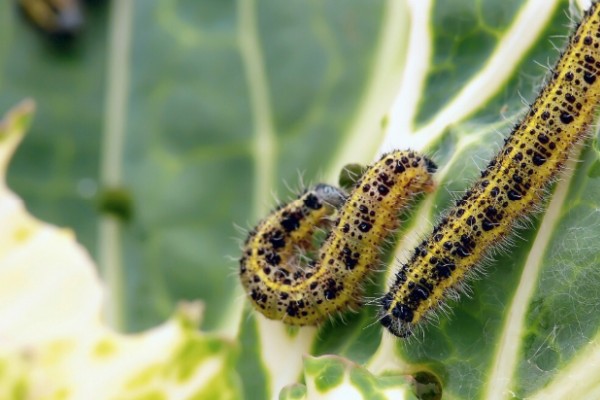
Most caterpillars are packed with toxic hairs—brush up against one, and you’ll probably get an itchy rash (yikes!). These little guys hang out on leaves and tree trunks, popping up everywhere once spring and summer hit. Chilling under a tree? Slap on a wide-brimmed hat and don’t linger. If one lands on you, don’t swat it—shake it off gently! Use medical tape to yank those toxic hairs off your skin, and hit up a doctor ASAP if you get a fever, headache, or stomachache. Surviving’s tough for these slowpokes, but they’re pros at hiding—blending into leaves so well, no one spots ’em.
TOP 9. ? Grasshoppers/Locusts
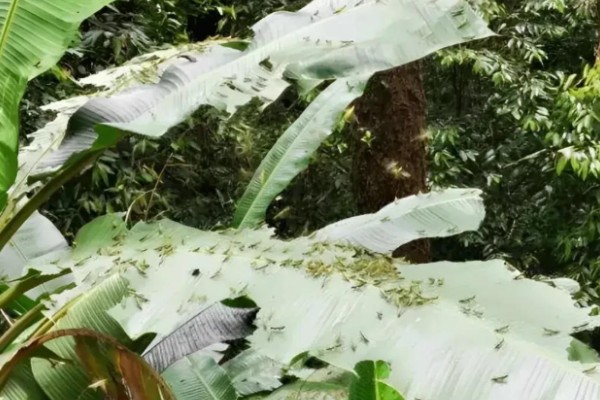
Locusts (aka grasshoppers) are part of the Orthoptera crew, with over 10,000 species worldwide and 1,000+ right here in China. They chill in grasslands and deserts across tropical and temperate zones. China’s got three main migratory types, and the Oriental locust is the most widespread and destructive. Desert locusts (bigger than your average grasshopper) have been causing chaos in places like Pakistan. They thrive in extreme weather, breeding so fast they turn into swarms that devour every plant in sight—darkening the sky and sparking a brutal food crisis in East Africa.
TOP 8. ? Lice
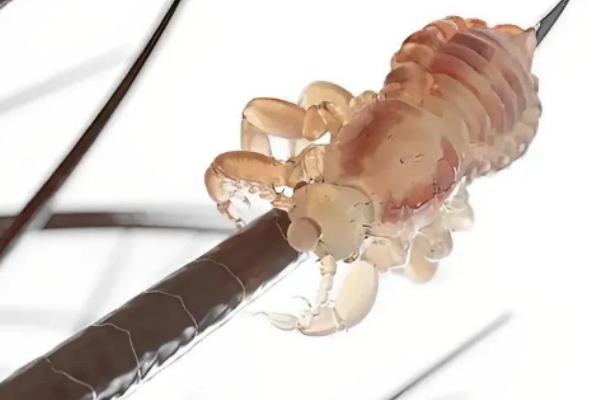
Lice are total parasites—they live on plants, birds, and even humans. Adults and their tiny nymphs spend their whole lives on hosts, feeding on ’em and causing major itchiness (so annoying!) plus spreading dozens of diseases. A louse only lives about six weeks, but females lay 10 eggs a day—stuck tight to hair or clothes. Eggs hatch in 8 days, nymphs start biting immediately, and they mature in 2-3 weeks after molting three times. Fun (terrible) fact: Researchers think lice evolved 65 million years ago—back when dinosaurs roamed the planet!
TOP 7. ?️ Termites
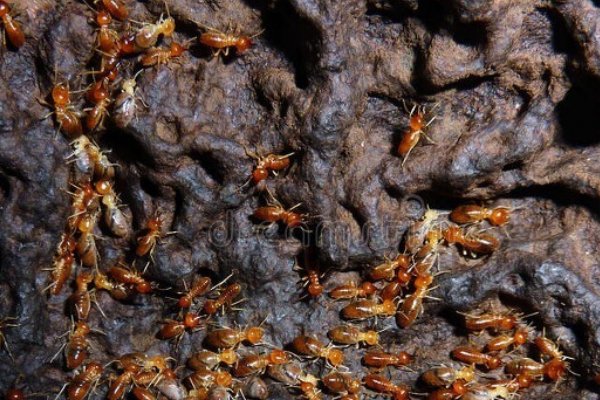
Termites (aka white ants) are one of the few insects that can break down wood cellulose—cool, but also a nightmare. They live in huge colonies, don’t carry human diseases, but cause massive indirect damage—wrecking wooden furniture and house structures. They live on two-thirds of Earth’s land (mostly tropical/subtropical), and Antarctica’s the only place you won’t find ’em. They love warmth—fewer termites the farther you get from the equator.
TOP 6. ? Fleas
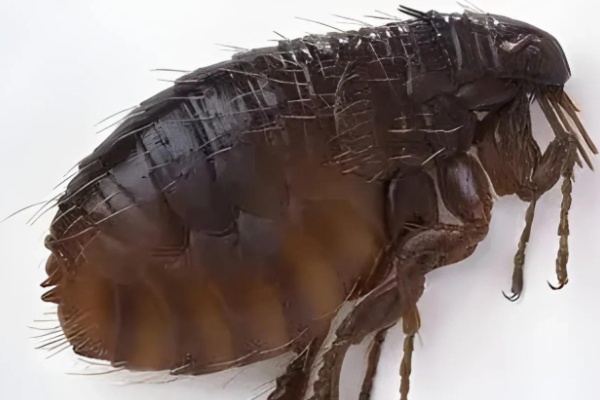
Fleas are tiny, wingless jumping machines—parasites that mostly live on mammals (some on birds) with sharp mouthparts for sucking blood. Unlike other parasite eggs, theirs are smooth and non-sticky, falling off hosts wherever they go. You’ll find ’em in kennels, the dirt around ’em, pastures, and even sheep poop. Females lay 200-400 eggs total, and feeding helps new eggs mature. They switch hosts all the time, and after rat plagues, they immediately target humans—super dangerous!
TOP 5. ? Horse Flies
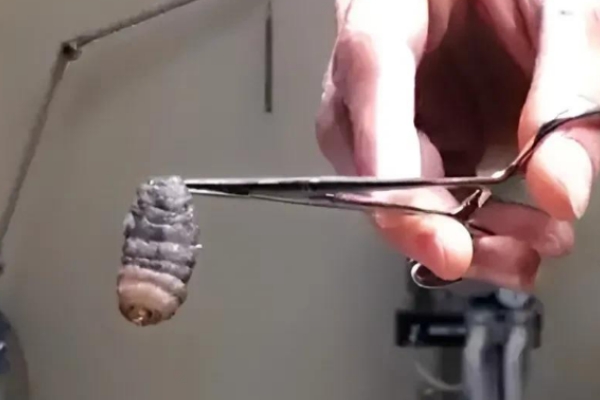
Horse flies (from the Tabanus genus) are bigger than house flies, with large heads and fuzzy bodies—they look low-key like bees. Their mouthparts are duds, so they suck mammal blood to survive. They mostly live in the wild, laying eggs on animal fur. When animals groom themselves, they swallow the larvae, which then stick to their stomachs. Eggs hatch in 7 days, larvae pass in poop after 8-10 months, pupate in soil, and become adults in 3-5 weeks.
TOP 4. ? House Flies
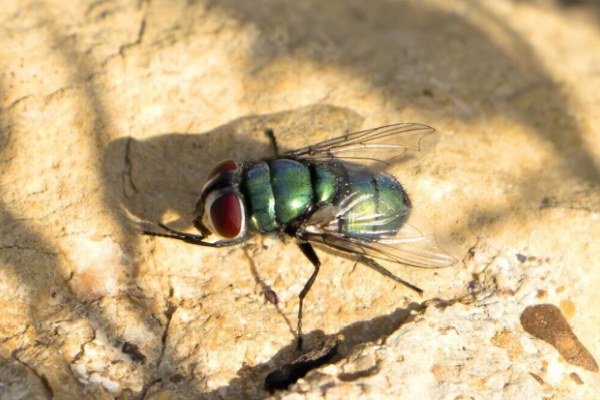
House flies are global health pests. They’re glued to human life, spreading dozens of diseases but also being weirdly important resource insects. They go through complete metamorphosis: egg, maggot, pupa, adult. Adults (5-8mm, grayish-brown) can’t hack the Arctic but thrive in warm human spots. A few survive harsh conditions, and once things get better, their numbers blow up.
TOP 3. ? Cockroaches
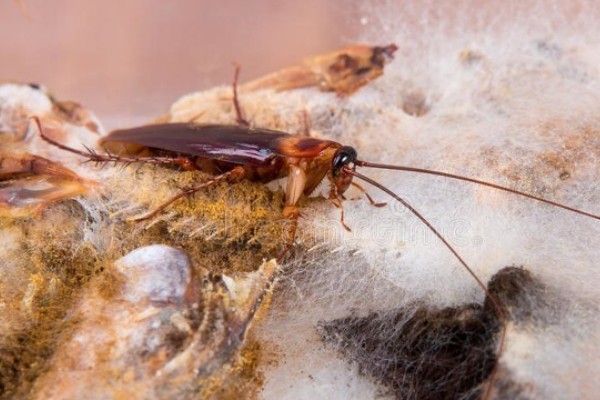
Cockroaches are the ultimate household pests—ruining food and spreading harmful viruses. These flat, dark brown bugs (medium-sized) have 6,000 species worldwide, mostly in tropical/subtropical areas. Biologists drop this bombshell: If a nuclear war happens, only roaches will survive. Humans can handle 5 rems of radiation, but roaches? 9,000-105,000 rems. Insane! Many governments spend $1.5 billion a year on roach control—twice the AIDS prevention budget.
TOP 2. ? Ants
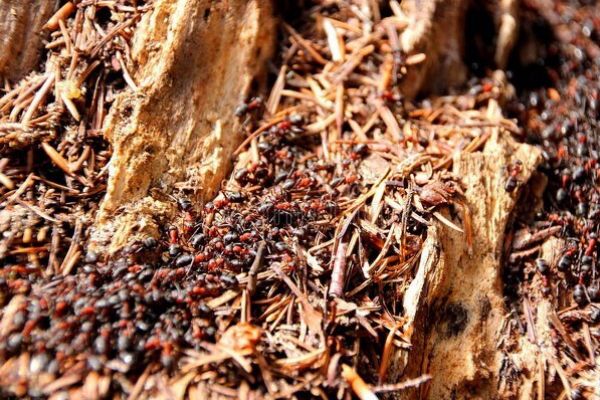
Ants are Earth’s most common and numerous insects—total survivors that can live almost anywhere and tough out natural disasters. There are 11,700 known species (600+ in China), with an estimated 10 trillion globally—that’s 25% of Earth’s animal population! Thanks to urbanization, they’ve adapted to cities, breaking into homes for food and nests, contaminating food and damaging buildings.
TOP 1. ? Mosquitoes
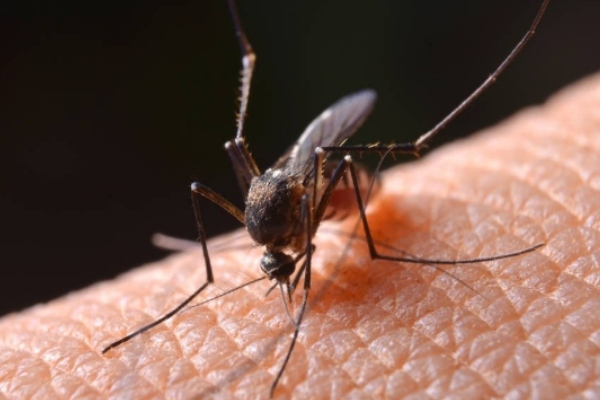
Mosquitoes are hands down the most hated insects on Earth—and blood-sucking females are the worst. Males are vegetarians (nectar and sap), but females need blood after mating to mature their eggs. They’re drawn to moisture, lactic acid, CO2, body heat, and movement—and spread 80+ diseases. No other animal harms humans more! Case in point: Malaria, spread by Anopheles mosquitoes, kills tens of thousands of people every year worldwide.